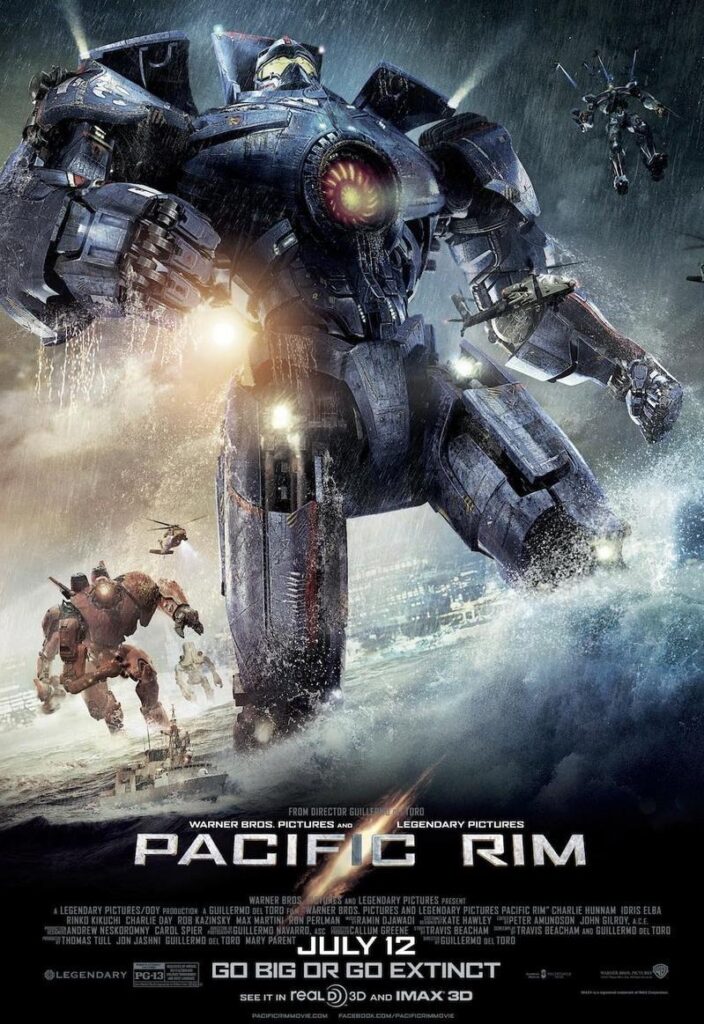
del Toro’s take on a Kaiju-vs-Jaeger-movie (read: “del Toro’s take on Evangelion”) was an absolute insane joy to watch. It has giant monsters, giant mechas piloted by pairs of pilots, giant monsters fistfighting with giant mechas, a properly weird couple of scientists, and so much excellence in filmmaking. It has also a whole bunch of Personal Drama(tm) fitting neatly into everything else, because balance is important.
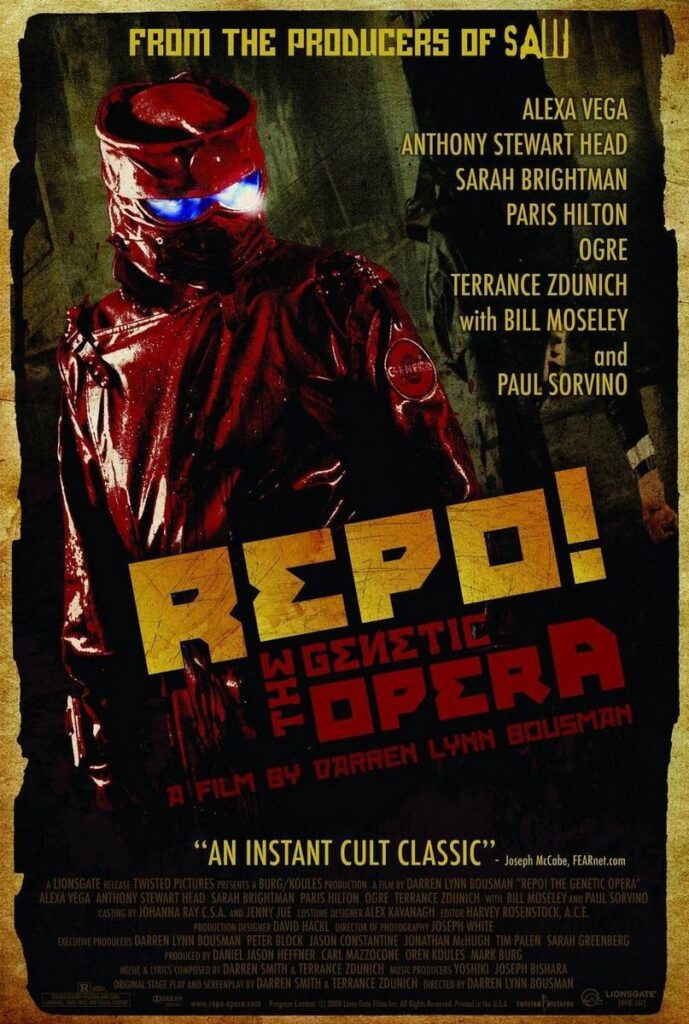
A Thing I’ve (re-)Watched 02/2026: Repo! The Genetic Opera
This absolutly wild ride of a self-styled goth rock opera was even more wild than I had remembered.
A world where you better stay on top the payments for your replacement organs, otherwise the repo man will come to take it back, where people are addicted to both cosmetic surgery and the extracted-from-the-dead painkiller drug commonly used in it and where the worlds leading megacorp is on the verge of collapse following the imminent death of its founder, and those are only three of many beats crammed into this thing.
The visuals are peak 2000s goth, backstory gets told in graphic-novel-interludes, the songs are mostly bangers… go watch this thing.
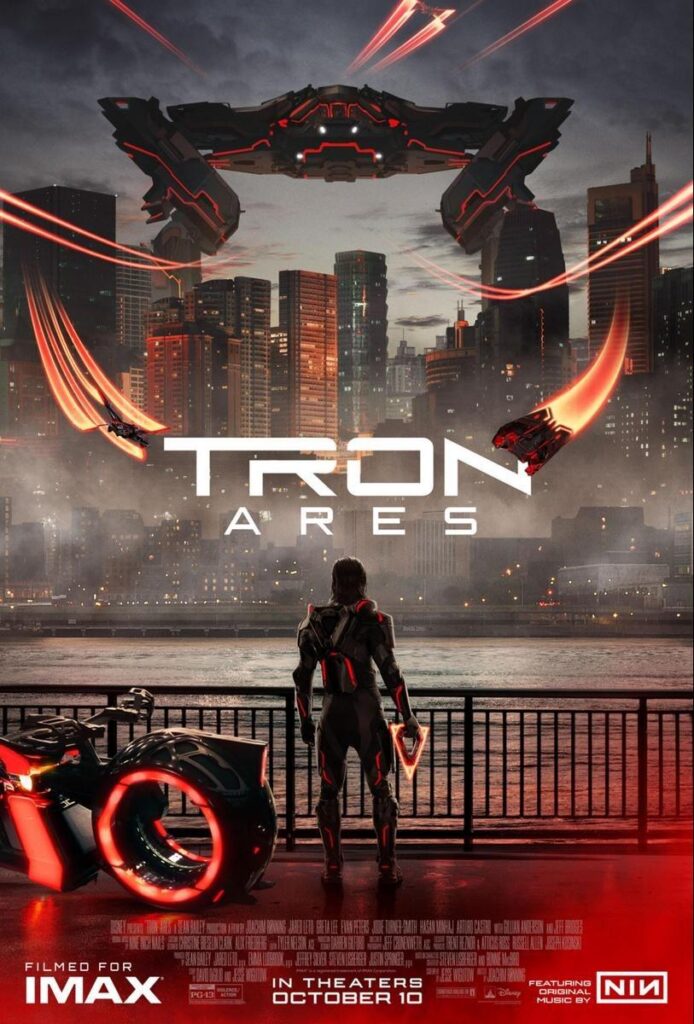
It’s been a long while since I’ve watched something this irrelevant. There’s a skeleton of an interesting story somewhere in there, and it sure looks vaguely like Tron-movie 🤷♂️
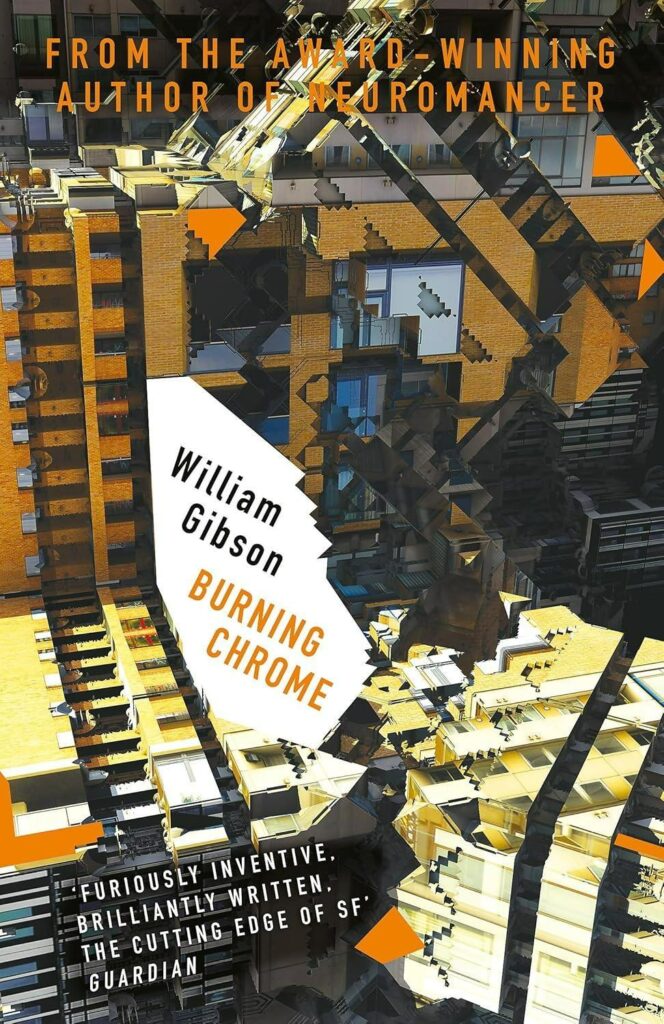
A Thing I’ve (re-)Read 04/2026: Burning Chrome, by William Gibson
The short story collection that, well, collects Gibson’s stories that built the foundation for the Sprawl-trilogy. It contains ten stories, of which I remembered the grand total of three – re-read books, people, you’re in for surprises.
The probably most widely recognized of these stories will be Johnny Mnemonic, given the movie of the same name; the titular Burning Chrome around the Blue Lights-Run and the Gernsback Continuum about glimpses in another past’s future were the others stuck in my head.
Most of the stories fall under the cyberpunk-umbrella, with a few that are more -adjacent scifi, and without fail they are good ones. If you want to pick up on genre history, pick this up.
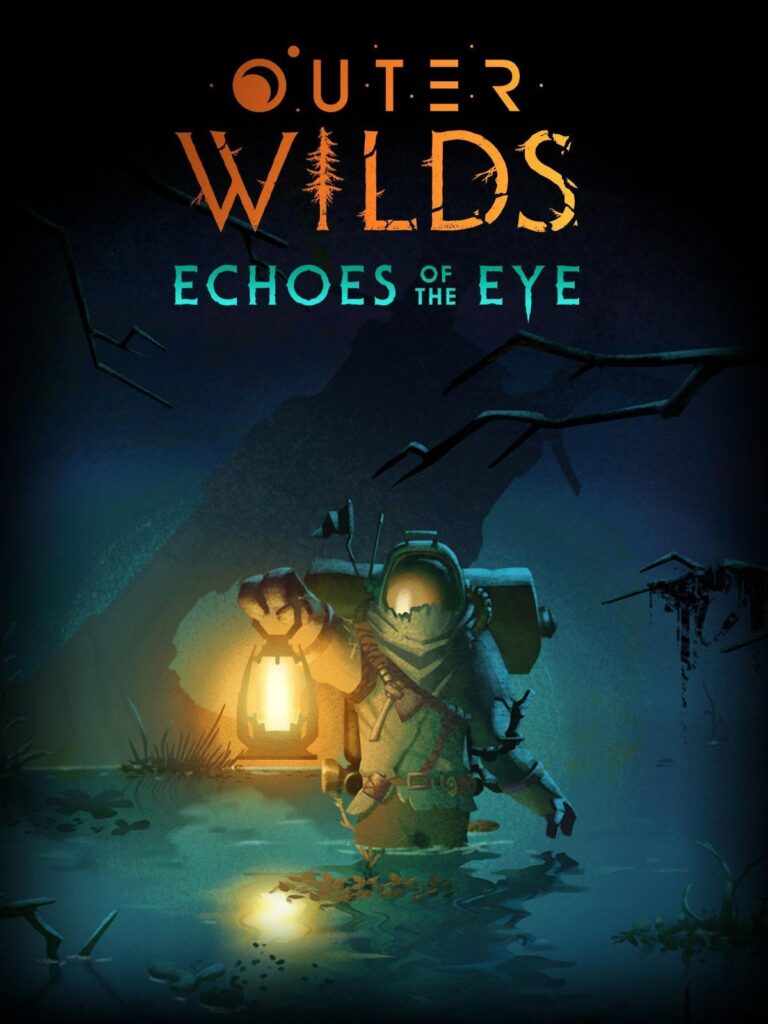
A Thing I’ve played 01/2026: Outer Wilds: Echoes of the Eye (DLC)
This one is… difficult. I love the story, and how it broadens and contextualizes the story of the main game. I adore the location, which as a singular place works well to integrate it in the setting, but leads to a lot of “same way backtracking”. I hate the spatial puzzles, but all of them can be cheesed into nonexistence (even without looking anything up, the things you need to add up are there but not obvious).
What still bugs me most is that one very important information was conveyed so convoluted that I did not catch it, and that massively derailed my playthrough. Is it a good DLC? Yes. Is it as great as the base game? No, but your mileage may vary.
Since then I’ve done some achievement hunting, and there’s mostly only those left that require actual piloting skills xD
Addendum by LaterSjut: I have since 100%ed the achievements, and while two of the DLC ones require more luck than I’d like it was an interesting ride. I’ve also watched as of now most of the endings, just for the fun of it, and this little bit of clearing up is indeed fun.
A Thing I’ve (re-)Read 03/2026: Mona Lisa Overdrive (Sprawl III), by William Gibson
The third book of the Sprawl-Trilogy… I don’t want to say “wraps up”, because that’s not what’s happening, but it finishes telling the events set in motion with the Straylight-run.
It brings back characters from the other two, mostly as companions for the POV-characters of this one, and gives closure on some others, and a bunch of context on how the events at Straylight and the Matrix-entities of the second book connect to each other. The ending is a lot of “everyone riding into their own sunset” and the book is mostly the ways there, but as the closing title of a trilogy it works pretty well.
It also would not work well standing alone, so… go read the Sprawl books. They sure are Something, and I think they hold up pretty well.
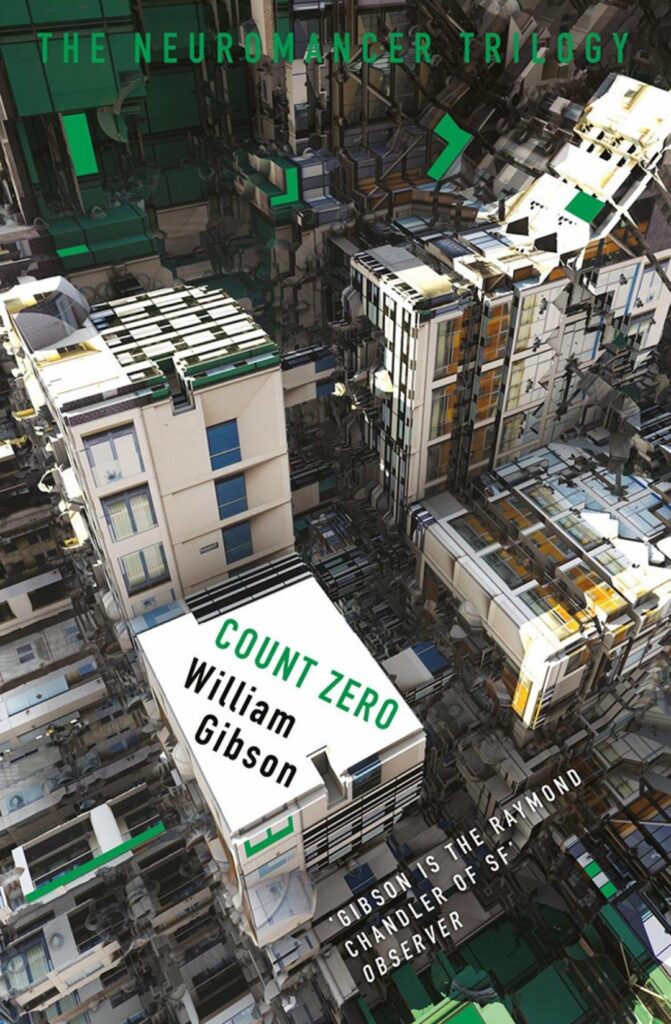
A Thing I’ve (re-)Read 02/2026: Count Zero (Sprawl II), by William Gibson
Where the first book of the Sprawl-trilogy was very narrowly focused on Case, the band of runners he got pressed into, and the Straylight-run, the second book takes a vastly different approach: it follows the stories of Turner, a, uhm, freelance career-change agent, Bobby, the titular Count Zero and a wannabe-decker, and Marly, a former gallerist finding herself exceedingly gainfully employed. Their stories do converge in the end, but it takes quite a while for the connections to become apparent. What connects them all is that they have to deal, one way or the other, with the fall-out from the Straylight-run and the new entities hounding the Matrix.
It can be read on its own, especially since it is only very loosely connected to Neuromancer, but it would give context.
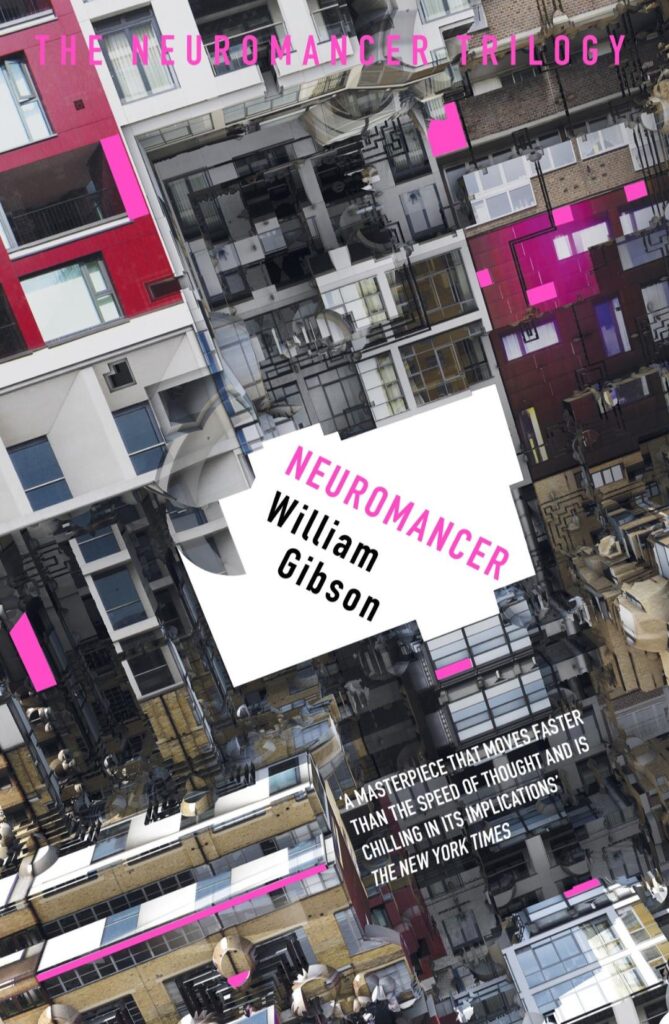
A Thing I’ve (re-)Read 01/2026: Neuromancer (Sprawl I), by William Gibson
Technically a re-read, but also the first time I’ve read this fundamental, genre-building piece of cyberpunk in the english version.
Contrasting it to the before-finished Fortunate Fall, it does become painfully obvious why the latter was rec’d as “non-tech bro-y” – Neuromancer is very tech, and sometimes painfully bro-y.
Still, it is A Ride, and a damn good one at that, if you’re willing to deal with it. Also, I completely forgot how much of this book is the actual Straylight run, but then in terms of misremembering plot points that’s by far not the biggest whoops I’ve made xD
And now: deeper into the Sprawl! There’s two more books in the trilogy, after all.
2025 has been a bit of A Ride.
Go read The Fortunate Fall by Cameron Reed, even though I still need to finish it up. Re-read books that bring you joy.

And somehow that's all in terms of recommendations.
Be nice to good people, be decidedly-not-nice to fascists, and for the germans: engagiert euch für die Prüfung des Verbots gesichert rechtsextremer Parteien.
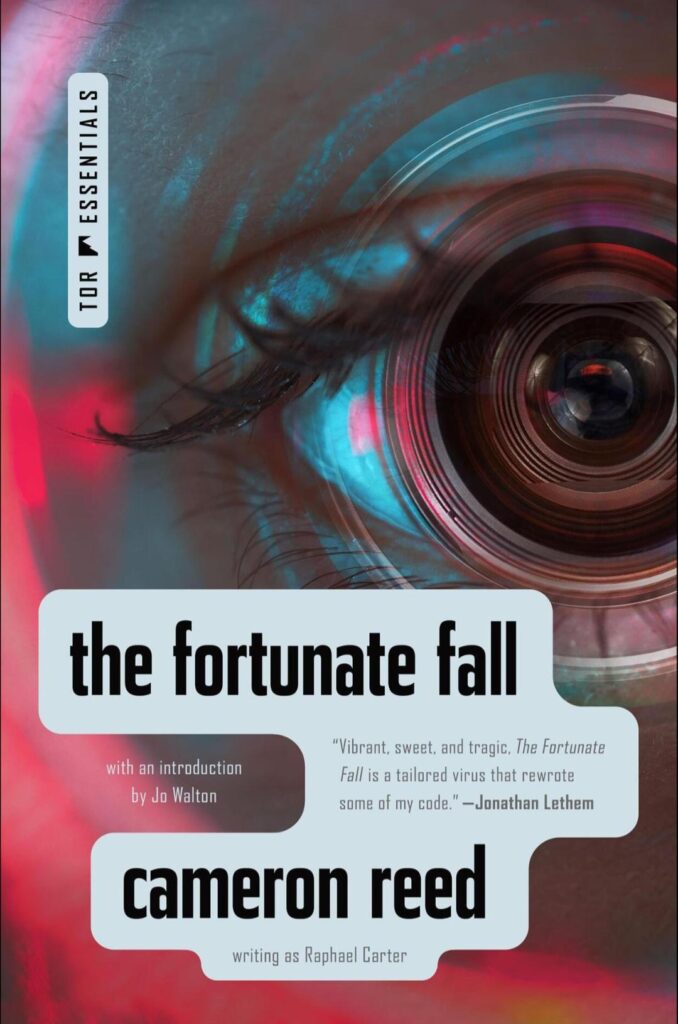
A Thing I’ve Read 19/2025: The Fortunate Fall, by Cameron Reed
This one was recommended as a non-techbro-y cyberpunk novel, and that’s a pretty good description.
It follows the story of a journalist trying to uncover the story of an immense genocide, and in the process finding out about all the many unseen ramifications it and its aftermath hold over society.
It’s a good read, not a fun one, and you all should go and read it.